There was a time when I would have done almost anything to work at a major law firm.
That was the deal: You work hard in high school, score a 1510 on your SAT, and miss being valedictorian by two-hundredths of a point. Land a full-ride academic scholarship to an elite college, graduate magna cum laude, and make it into one of the best law schools in the country.
Then you try to turn all of that into the thing you were told it was building toward: BigLaw.
During law school, I was lucky to get a chance to work at O’Melveny, one of the largest and most prestigious law firms in the country. I was in beautiful offices overlooking Newport Beach, and earned great exposure to big-time legal work.
Then, on a typical Friday evening, I decided to stay late at the office to finish working on a research memo. As I sat there, I noticed that the corner offices were still lit up, even though it was after 10pm.
The Winners
I recall the moment it hit me – it was the partners who were still putting in long hours.
They were the ones who had finally made it to the top. After putting in their time as associates, they had climbed the corporate ladder and become partners, achieving everything that those of us below them, like me, were striving for.
One of them had photographs from before they became a lawyer. The person in those photographs looked happy, fit, and hopeful – and also entirely unrecognizable.
Maybe that comparison was unfair; time changes everyone. But the contrast stayed with me.
The outline of the real bargain then started to appear. The institution kept score in billable hours and cared far more about your portable book of business than any other aspect of your life.
Fork in the Road
I’ve never had a problem with putting in the effort, and that’s still true today. Hard work was the one part of the equation I’ve always understood.
I started to wonder, however, what’s the point of it all? You do what you’re supposed to, you get good grades and go to elite academic institutions, then survive the long hours as an associate and finally make it to the top – and just get to keep working ridiculously long hours, but now with a fancier title and more stress?
My career was heading in that direction, until suddenly it did not. I had an opportunity to help build a law firm outside the traditional path, and I took it.
Instead of BigLaw, I built a business. I practiced law. I learned operations. I wrote software. I built systems around legal and regulatory requirements.
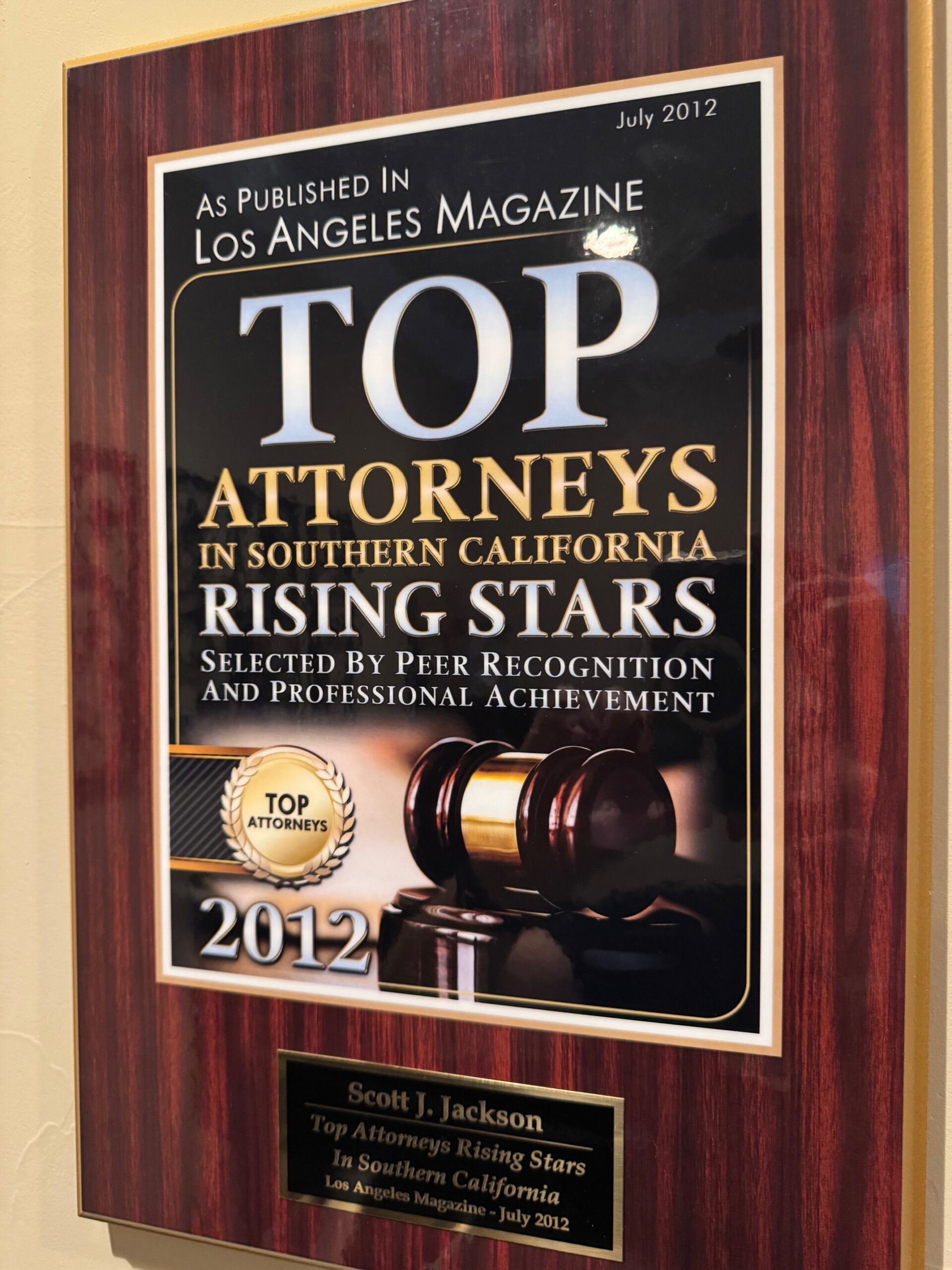
I eventually took charge of a law firm with over 200 employees and single-handedly developed the SaaS platform that drove a significant portion of its $25 million revenue.
It was an unusual career, it was mine, and it did not work out the way I hoped.
Focus on that sentence, because this is not a story where I rejected the conventional path and was rewarded with a clean, triumphant ending.
The application I built still runs today, nearly two decades later, still licensed and in production. Had I built the same thing in almost any other industry, the outcome would have looked very different.
But mortgage servicing is an industry driven by a single goal: minimize expenses, relentlessly and above almost everything else. The focus on cutting costs is structural, unforgiving, and flows downhill to everyone – including vendors and law firms, making the pie too small for builders to have a real shot at meaningful equity.
So I ended up building as an employee, not an owner – at least for a long time. The things I accomplished and the value I created were real, and had a lasting impact. But the compensation was nowhere near proportionate, and not because anyone was being malicious. That’s just how the industry is wired.
When it ended, I had to begin again – not from a simple setback, but from something closer to the ground being pulled out entirely.
I made the decision to rebuild from scratch and prove my technical chops in new, (hopefully) more rewarding, industries. That meant selling a home my family loved in Southern California, moving everyone to DFW, and betting on myself in a market where nobody knew me yet. My oldest daughter had to switch schools in the middle of 7th grade, right during Spring Break – that’s a tough memory for me to shake. A few months before we left, I had my first and only panic attack.
Eventually, I won the bet. My career got back on track. It was the right decision, yet it still took a huge toll on me.
What Loyalty Taught Me
The second lesson was a tough one to learn: that loyalty can be taken advantage of.
It’s not always the case, but it happens frequently enough that you can’t rely solely on loyalty to keep you safe.
Institutions often lead people to think that their hard work and dedication will be remembered and their contributions will ultimately be acknowledged. And sometimes, that’s exactly what happens. But other times, you might find yourself building in a field like mortgage servicing, where things don’t quite play out that way.
It all works until one day it doesn’t, and the other shoe drops.
You then find yourself standing on the side of the road, a virtual job panhandler, trying to explain to strangers where you have been and what you actually did. I know because I’ve been there.
I do not intend to live that way again.
Why I Write Now
That is part of why I am writing. I am not trying to become an influencer. My goal is to build career equity that no employer, institution, or industry can take from me.
For much of my career, much of what I knew and had accomplished was invisible outside the rooms where it happened. I assumed it wouldn’t matter, because the hard work would pay off and speak for itself.
The truth was much harsher, especially once I realized I had to start over. A resume is not enough to explain an unconventional career path. And it’s not like having the right job title or achieving success automatically makes things clear, either.
Lawyer. Database expert. Technology executive. Former managing partner. Builder. Operator.
Every one of them is demonstrably true. Together, they are still insufficient.
So I write about what I know – technology, data, law, architecture, leadership, business economics. It’s not just about the tools, but the decisions that go into using them. I’ve learned from the things I’ve built, the mistakes I’ve made, and the conclusions I’ve drawn from my experiences.
I am building a public body of work that belongs to me. I have no idea if another shoe will drop, but if it ever does, I do not want to begin again from silence.
The Lights Are Still On
I still believe in hard work and dedication. I still believe there are things worth sacrificing for. I’ve been the person in the corner office with the lights on late on a Friday evening, and I’d do it again under the right circumstances.
But I no longer believe hard work speaks for itself. And I no longer believe loyalty excuses leaving your future entirely in someone else’s custody.
Loyalty favors silence, but does not reward it.
So I write. I make silly pop-punk songs. I remain visible.
— Scott
